
Research for the digital society
Global, interdisciplinary, in dialogue
News from the institute
IoT & Trust: Conference Brochure
The move from the internet of computers to the internet of things depends on social acceptance for these increasingly autonomous systems. From 22 to 23 February 2017, a transdisciplinary conference at HIIG focused on the…
Digitaler Salon: Internet killed the Videostar
Which music emerges in the age of technological reproducibility? How are artists using new technologies and at which point does a remix become a new song? The upcoming Digitaler Salon is taking place on 31…
Digitaler Salon: Ein Herz für Cyborgs
Smart robotic hands, leg prosthesis systems and printed organs: Is smart technology a panacea? Where does 3D printing lead us to, and what are its legal effects? Discuss with us at the upcoming Digitaler Salon…
German Internet-Institute in Berlin
The German Internet-Institute will open in Berlin. The HIIG welcomes the decision by the ministry for education. As a network partner of the new institute, the HIIG is looking forward to future cooperation. The institute…
Digitaler Salon: Lost in Neuland?
The special event in July is dealing with digital election issues: German politicians have overlooked digital change. During the 2017 election campaign, we raise the questions: What goes wrong, how do we make up the…
Open Lunch: Infrastructuring Connectivity
The Internet is usually pictured as immaterial and fluid. The heavy industry and vast energy-consuming infrastructure securing the functionality of web services, as well as its social and environmental effects, remain mainly invisible. On 21…



Discussion dossiers

Tackling hostility towards science
What can be done when research comes under pressure? This resource collection supports researchers and institutions with strategies and tools for responding to hostile attacks.

AI compass
AI is embedded across many areas of society, from medicine to nature conservation. Our card game presents concrete applications and invites players to critically examine their uses and implications.
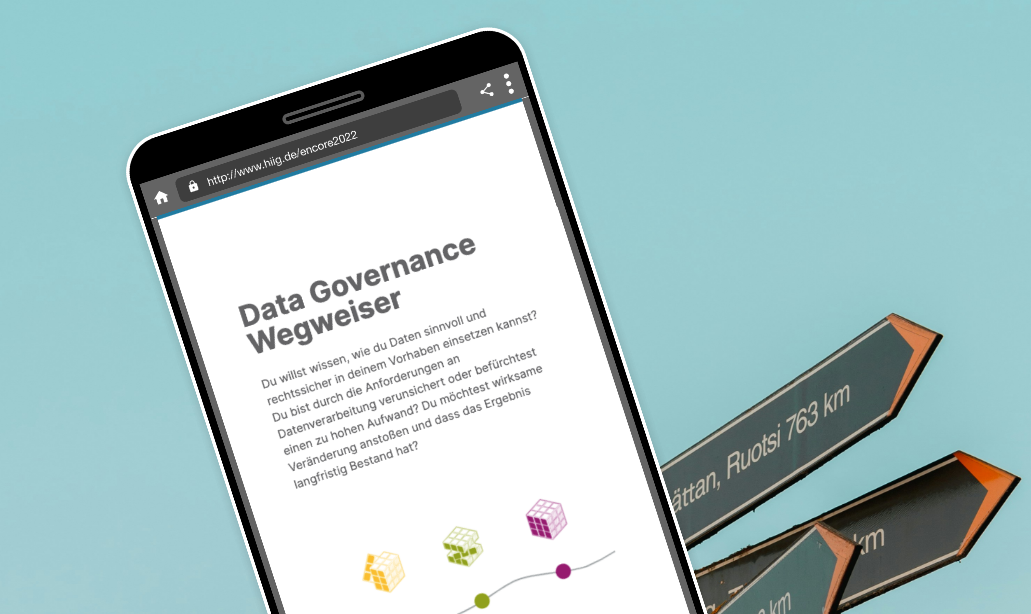
Data governance guide
Why does the potential of municipal data so often go unrealised? This handbook supports public administrations in planning and implementing data-driven projects in legally sound ways.